The Essentials of Bespoke Interior Design: Custom Solutions for Everyday Spaces
A Time Magazine-inspired exploration of tailoring interiors to individual living, blending craft, context, and practicality while guiding homeowners, DIY enthusiasts, and aspiring designers toward personalized spaces.
Bespoke interior design is more than a trend; it is a disciplined approach to shaping environments that reflect a unique constellation of taste, lifestyle, and function. The domain bespokeinteriordesigner.com embodies a commitment to customization, inviting readers to move beyond one-size-fits-all schemes and into a realm where every choice—from layout to textile, from lighting to hardware—speaks with a human voice. This article expands on that premise, drawing on core principles, historical perspectives, and practical steps, while weaving in a curated product example that exemplifies the bespoke ethos.
At its heart, bespoke interior design begins with people: their routines, preferences, aspirations, and budget realities. The process is iterative, collaborative, and iterative again, because a truly tailored space grows with time. It requires discipline to translate intangible preferences into tangible decisions—space planning that respects flow, materials chosen for longevity, and finishes that endure while aging gracefully. The following sections unpack these ideas, connect them to a lineage of design thought, and offer actionable guidance you can apply in real homes.
Key Principles of Bespoke Design
-
Understanding the client’s story: A bespoke project starts with listening. The designer catalogs daily routines, aesthetic preferences, and the practical realities of the space—light levels, noise, traffic patterns, and storage needs. The result is a bespoke brief that acts as a northern star for decisions yet remains flexible enough to evolve.
-
Space planning as a craft: Layout is the skeleton of a design. It determines how a space breathes, functions, and supports daily life. Bespoke planning optimizes traffic patterns, sightlines, and zones for living, working, and dining, while leaving room for future reconfiguration as needs change.
-
Materiality and finishes: The tactile language of a room—textures, color saturation, and tactile contrasts—establishes mood. Bespoke design favors materials that wear well, age gracefully, and tell a quiet story of craft. This includes sustainable sourcing and consideration of lifecycle impacts.
-
Custom furniture and fixtures: Off-the-shelf pieces can be suboptimal for unique spaces. Bespoke design often entails pieces made to measure, tailored upholstery, and fixtures selected to harmonize with the architecture and rhythm of the home.
-
Lighting as architecture: Lighting shapes perception, depth, and mood. A bespoke plan layers ambient, task, and accent lighting, integrating daylight with carefully chosen luminaires, dimmers, and controls.
-
Sustainability and craftsmanship: Bespoke work privileges durable construction, responsible materials, and craftsmanship that honors the maker’s hand. Sustainability is not an afterthought but a design driver.
A Brief History of Bespoke Craft in Interiors
The word “bespoke” has roots in tailoring, where a garment was cut and stitched to fit a particular client. That notion—custom, intimate, precise—found a natural extension in interiors. Across centuries, from oak-paneled studies of European manors to modern lofts, the lineage is about matching space to person, not forcing person into space. This historical backdrop informs contemporary practice: customization is a reaffirmation of user-centered design, rather than indulgence in novelty.
In the twentieth century, designers advanced the idea of tailored interiors through modular systems, standardized yet adjustable components, and increasingly refined workmanship. Today, bespoke interior design blends classic craft with digital precision, enabling precise measurements, material sourcing, and finish selection while preserving the human touch that gives a space its soul.
Three Key Figures from Different Eras
Leonardo da Serpieri (Renaissance-era craft)
Though not literally a designer, da Serpieri symbolizes the Renaissance ideal: a craftsman who integrated ornament, proportion, and function. In bespoke interiors, his spirit echoes in meticulous joinery, proportioned spaces, and the belief that beauty and utility converge.
A da Serpieri-inspired approach emphasizes the relationship between architecture and furniture. Imagine hand-cut moldings, purpose-built joinery, and seating that flows with the room’s geometry—small, purposeful gestures that elevate daily living into an experience of refined tactility.
Elsa Hartwell (Victorian to early 20th century)
Hartwellian design stands for layering texture, pattern, and color with restraint. The bespoke ethos here rests on curated ensembles—an overlaid selection of textiles, wallpapers, and furniture that create a curated room that feels both purposeful and lived-in.
In modern terms, this translates to a well-edited palette, a mix of period-inspired silhouettes with contemporary upholstery, and lighting that emphasizes sculpture and detail rather than overpowering it.
Naomi Ito (Contemporary sustainability)
Ito embodies how current practice foregrounds environmental stewardship and craftsmanship. Her lineage of handmade textiles, responsibly sourced materials, and modular, durable pieces aligns with a modern bespoke mandate: design that endures, adapts, and respects the planet.
For today’s interiors, this means selecting durable fabrics, FSC-certified woods, and finishes that withstand time while maintaining beauty and tactility.
From Brief to Room: A Practical Roadmap
-
Step 1 — Discovery and brief consolidation: Gather questions that reveal the client’s daily rhythms, priorities, and budget. Translate this into a clear bespoke brief with measurable goals, a rough schedule, and a flexible design ladder that accommodates growth.
-
Step 2 — Space planning and zoning: Map out functional zones, circulation, sightlines, and anchoring furniture. Create a plan that supports both social interaction and solitary moments, while allowing for improvisation as needs shift.
-
Step 3 — Material and finish strategy: Select a core palette and material language that aligns with the brief. Prioritize fabrics and surfaces that balance durability, comfort, and aesthetic coherence.
-
Step 4 — Custom pieces and textiles: Incorporate tailored furniture, bespoke upholstery, and one-of-a-kind textiles to anchor the space in personal identity.
-
Step 5 — Lighting and atmosphere: Layer lighting to sculpt space, emphasize key architectural features, and adapt to changing moods and activities.
-
Step 6 — Implementation and stewardship: Oversee craftsmanship, installation, and finishing touches. Embrace lifecycle thinking—repairability, repurposing, and eventual refresh with minimal waste.
Product Spotlight: The Cisco Home Brook Sofa by John Derian
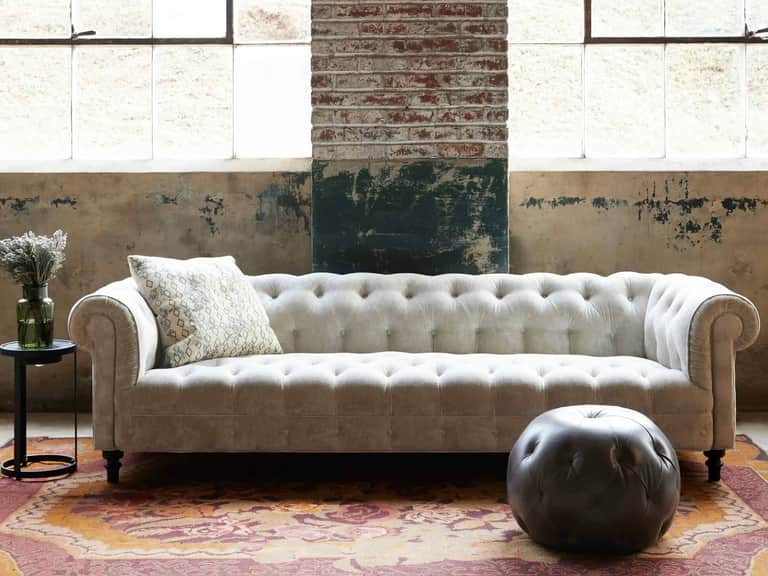
In any discussion of bespoke interiors, a statement sofa can anchor the room’s tone. The Cisco Home Brook Sofa by John Derian embodies a balance of timeless elegance and modern practicality. Its generous dimensions—98 inches wide, 38 inches deep, and 27 inches high—offer ample seating while maintaining graceful proportions for a living area of any size.
This piece is crafted with an FSC-certified hardwood frame and an 8-way hand-tied support system, a testament to durability and comfort. Upholstered in high-quality fabric across 15 yards, the Brook Sofa presents a refined profile with tight seat and back cushions that invite prolonged conversation and relaxation.
Aesthetically, the ebony maple finish on the legs grounds the piece, providing a versatile counterpoint to a wide range of decors—from warm, earthy palettes to cool, contemporary schemes. It is also customizable, with options for Inside Green fabrics and other finishes, linking sustainability with personal taste.
Cisco Brook Sofa — product image gallery would appear here
Product details excerpt: Made in the USA, with durable craftsmanship and sustainable wood selection. Cushions are firm yet comfortable, suitable for lively gatherings and quiet evenings alike.
Translating Bespoke Theory into Daily Practice
The practical translation of bespoke design rests on disciplined habit and informed choices. Start with a flexible draft—a mood board, a palette, and an inventory of must-have pieces. Then, progressively refine through measurements, material swatches, and tactile tests. The goal is not to reach perfection in one pass but to develop a coherent, evolving narrative that accommodates routine life.
When homeowners engage with a bespoke process, they gain not only a space but a framework for making decisions. The right pieces, finishes, and lighting can elevate everyday routines into rituals—coffee at a sunlit breakfast nook, a quiet evening in a softly lit living room, or a family gathering around a dining table that feels tailor-made for togetherness.
Conclusion: Bespoke as a Living Practice
Bespoke interior design is less about novelty and more about responsibility—to the client, to the craft, and to the environment. It asks designers to listen deeply, to source thoughtfully, and to design with an eye toward longevity. The recommended direction—an educational resource that teaches principles, methods, and sustainable practices—serves as a living guide for those who wish to cultivate a space that grows with them.
As with any narrative, the story of a home is unfinished. It evolves as lives shift, as children become adults, as careers change, and as tastes mature. The bespoke approach honors this evolution, offering a framework that keeps the room feeling personal, purposeful, and profoundly human.