Understanding Bespoke Interiors: A Practical Guide to Custom-Made Design
A thoughtful interior is more than a collection of beautiful objects. It is a narrative crafted from personal taste, purposeful materials, and skilled craft. In this guide, we explore how bespoke interiors translate a homeowner’s loves, habits, and aspirations into spaces that feel both timeless and distinctly theirs. From defining what truly makes a space bespoke to selecting finishes that stand the test of time, we offer practical steps for homeowners and DIY enthusiasts who want to design with confidence.
What Makes an Interior Bespoke?
Bespoke interior design centers on customization, craftsmanship, and intent. It is not simply about expensive materials or trend-driven aesthetics; it is the disciplined pursuit of creating spaces that respond to the specific rhythms of the people who live in them. A bespoke space balances form and function, informed by a personalized design brief that translates taste into coherent decisions across layout, materials, lighting, and textiles.
Key to this approach is a collaborative process: envisioning how a room will be used, testing spatial relationships, and selecting elements that harmonize with a broader architectural language. Bespoke design acknowledges constraints—budget, site conditions, and maintenance—while seeking ingenious solutions that elevate everyday living. The result is a space that feels inevitable, as if it always belonged to its inhabitants.
In practice, bespoke design often involves a blend of custom pieces, thoughtfully sourced materials, and finishes tailored to performance and mood. It invites experimentation with texture, color, and scale, all while maintaining a coherent thread that ties the entire home together.
A Short History of Bespoke Craft
The term “bespoke” has long associations with tailoring—a craft rooted in precision, patience, and personalization. To bespoke a garment is to ensure it fits a unique wearer; to bring that mindset into interiors means selecting shapes, fabrics, and finishes that fit a particular home and its residents. Across centuries, artisans have translated that ethos into furniture commissions, bespoke cabinetry, and hand-finished surfaces.
As design movements evolved, the idea of customization expanded from individual commissions to collaborative projects that blend artisanal techniques with contemporary needs. Today’s bespoke interiors draw on a broad palette: traditional hand-carved wood, modern textile technologies, sustainable materials, and digital tools that help visualize a space before the first cut is made. The throughline remains craftsmanship with a purpose: to create environments that are resilient, expressive, and deeply personal.
Across time, notable figures helped shape the vocabulary of bespoke interiors, from master craftsmen who perfected joinery to designers who merged art, architecture, and everyday living. The next sections highlight three key individuals from different time periods whose ideas still resonate with contemporary bespoke practice.
Three Pioneers of Personalized Design
Louis XIV’s Banquet for Personal Grandeur (17th Century)
Long before interior design conferences and stylistic guides, royal courts shaped how spaces could celebrate identity through furnishings, tapestries, and architecture. The era’s emphasis on order, display, and ceremonial detail laid groundwork for a culture of bespoke attention to scale, proportion, and narrative within interiors.
takeaway: Bespoke begins with a clear sense of occasion—understanding how a room will host life’s moments and reflect its inhabitants’ aspirations.
Charlotte Perriand and Material Integrity (Mid-20th Century)
A modernist pioneer, Perriand championed materials, function, and honest construction. Her work underscored how choice of material—wood, metal, fabric—carries expressive weight, shaping perception and use. In bespoke practice, this translates to selecting fabrics and finishes that endure, age gracefully, and reveal their origins.
takeaway: Durable, well-considered materials form the backbone of a space that remains relevant over time.
Jonathan Ive and User-Centered Craft (Early 21st Century)
A designer who prioritized human experience, Ive’s approach to product and space centers on clarity, simplicity, and intuitive feel. In interiors, this translates into layouts that support daily life, lighting that adapts to moods, and finishes that feel pleasing to touch and sight in ordinary moments.
takeaway: Bespoke design thrives when form serves function without sacrificing beauty.
Practical Steps to Create a Bespoke Interior
Whether you are renovating a single room or reimagining an entire home, a deliberate process helps ensure outcomes that feel curated and enduring. The following steps translate philosophy into measurable actions you can apply in your next design project.
- Define your design brief. Begin with a personal narrative: how do you live, work, entertain, and rest? Create a mood board that captures color, texture, and overall vibe. This becomes your north star as you source furniture, textiles, and finishes.
- Assess spatial relationships. Map traffic flow, sightlines, and functional zones. Bespoke interiors often hinge on precise placement—areas for gathering, retreat, and storage that feel natural and unforced.
- Prioritize durability and care. Select fabrics and finishes that match your lifestyle. If you have active households or sunlight exposure, choose performance fabrics and UV-resistant finishes that maintain their character over time.
- Curate a coherent materials palette. Limit the number of primary materials to create harmony. Use contrasts in texture and scale to add depth without visual chaos.
- Commission with intention. When adding custom pieces, work with makers who understand proportion, joinery, and finishing. Bespoke is as much about the craft as it is about the look.
Materials, Finishes, and Craft: A Simple Framework
A practical framework helps you talk with makers and vendors. Consider three layers: materials (what it is), finish (how it looks and behaves over time), and craft (how it is made). This trio guides decisions for furniture, textiles, and architectural details alike.
Materials: wood, metal, stone, textiles, glass, composites
Finish: color, texture, patina, durability
Craft: construction technique, joinery, sustainability
When you align these layers with your budget and lifestyle, you unlock a practical path to a space that feels designed rather than decorated.
Case Study: Bespoke Seating and Textiles
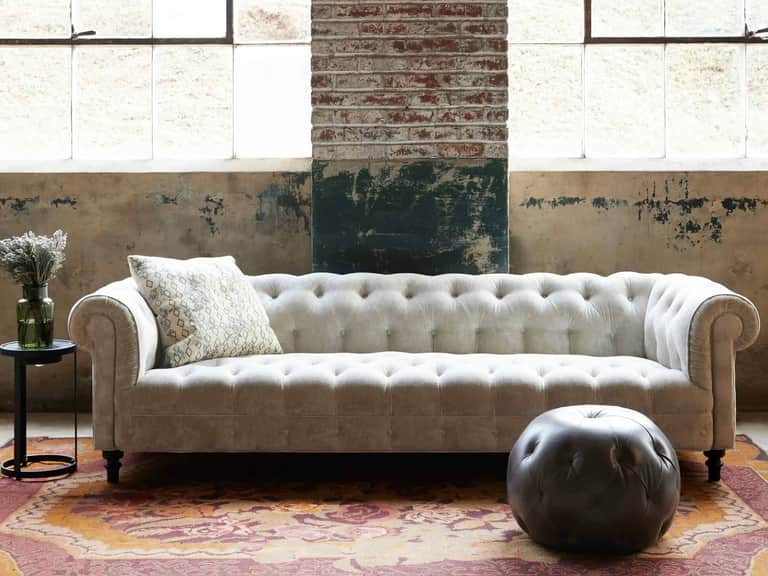
To illustrate how bespoke principles translate into a tangible outcome, consider a living room anchored by a signature sofa and coordinated textiles. A leading example in this space is the Cisco Home Brook Sofa by John Derian, a piece that embodies durability, craftsmanship, and timeless appeal.
The Cisco Home Brook Sofa is a centerpiece that demonstrates how a single custom piece can set the tone for an entire scheme. Its generous proportions—98 inches wide, with deep seating and a refined, low back—offer a generous silhouette that invites relaxation and conversation. The sofa’s FSC-certified hardwood frame, 8-way hand-tied springs, and 15 yards of high-quality fabric reflect a marriage of athletic construction and luxurious feel. The ebony maple legs ground the design in warmth and sophistication, while its neutral upholstery options allow a spectrum of textiles to harmonize with lighting and wall color.
In practical terms, the Brook Sofa demonstrates several bespoke principles: a tailored scale for your room, a fabric story that can be swapped to reflect seasons or moods, and a design that plays well with other bespoke or off-the-shelf elements. The product is an invitation to explore a family of coordinated textiles—from linen to velvet options—that can extend to bedding, cushions, and drapery. By aligning a single bespoke furniture piece with a full textile strategy, you create a cohesive interior that feels both curated and flexible.
Product: Cisco Home Brook Sofa by John Derian
Dimensions: 98"w x 38"d x 27"h
Materials: FSC-certified hardwood frame, high-quality fabric, ebony maple legs
Construction: 8-way hand-tied support system
Value: A flagship piece that anchors a bespoke seating arrangement.
Textile Strategy: Linen and velvet options to suit different lighting and textures
Finish: Maple wood with ebony finish
Origin: Made in the USA
Care: Durable fabric options with careful maintenance guidelines
Takeaway: A single bespoke centerpiece informs the broader material palette and room rhythm.
This case study demonstrates how a well-chosen bespoke piece can guide the logic of a room, from seating layout and scale to the coordination of textiles and finishes. It highlights how a designer or homeowner can achieve a polished, unified look without sacrificing comfort or practicality.
Balancing Pros and Cons
As with any design direction, bespoke interiors come with advantages and challenges. A thoughtful balance helps ensure long-term satisfaction rather than a quick, trend-driven fix.
- Personalization that yields a space uniquely suited to inhabitants; durable, high-quality materials; a cohesive design language that can adapt over time; potential increases in home value through well-executed craftsmanship.
- Cons: Higher upfront investment; longer lead times for custom pieces; ongoing coordination with makers and contractors; the need for a clear design brief to prevent drift or overextension.
By approaching bespoke interiors with a clear plan, you can mitigate risks and maximize the lasting beauty and practicality of your spaces.
A Practical Path Forward
If you’re contemplating a bespoke interior, begin with a grounded brief that captures who you are, how you live, and what your home should feel like in five, ten, or twenty years. From there, build a material and finish plan that resonates with that portrait. Seek partners—makers, craftspeople, and brands—that share your standards for durability, craft, and service. And remember that bespoke design is a collaborative journey: the goal is a space that feels inevitable, as if it always belonged to you, with a story that continually unfolds as life happens within it.
In the end, bespoke interiors are not merely about custom components. They are about a disciplined pursuit of a personal vision—crafted with care, expressed through texture and light, and anchored in practicality. That is the essence of designing spaces that endure.
Further Reading and Resources
For readers seeking deeper immersion in bespoke interiors, consider exploring authoritative design histories, contemporary craft studios, and practical guides that bridge theory and hands-on making. The following sources offer perspective on materials, craftsmanship, and the evolving ethics of interior design in the modern era.
- Craftsman traditions and modern fabrications
- Material science insights for durable finishes
- Case studies of top-tier bespoke projects and the teams behind them