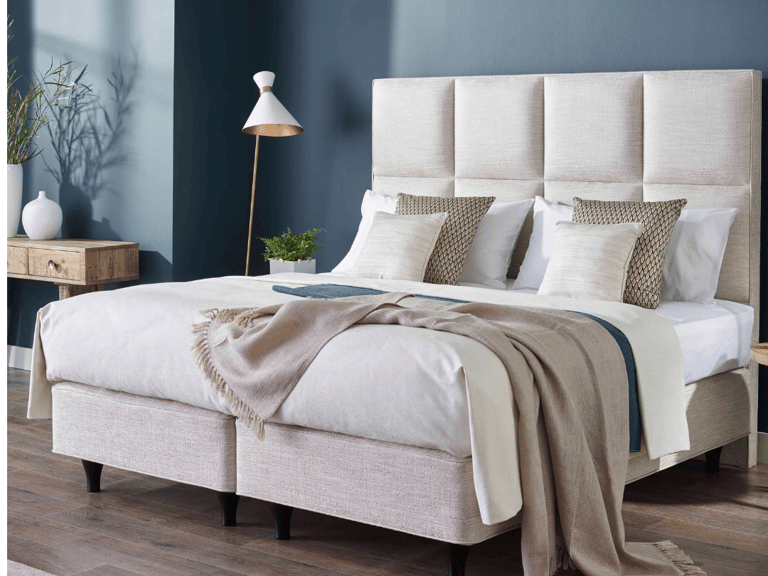
Vispring Devonshire Mattress

Materials and Finishes for Timeless Bespoke Spaces: A Designer’s Guide

Explore how the right material choices form the backbone of bespoke interiors. This guide dives into durable woods, fabrics, textures, and finishes, and examines how light, color, and longevity intersect with personalization in timeless spaces.

A Conceptual Foundation: Bespoke as a Process

In the realm of interior design, bespoke interiors are not simply about expensive materials or one-off pieces; they embody a disciplined design process. The materials you select—be they an exquisitely figured wood, a textile with a storied loom, or a finish that glows under certain light—carry the narrative of a space. They define durability, tactile experience, and the way a room ages gracefully. The aim is to harmonize personalization with function, ensuring that every surface, texture, and hue serves a purpose beyond beauty.

Timeless interiors are not dictated by fashion; they are governed by principles that endure. Those principles include the careful balancing of scale, proportion, light, and texture, as well as the thoughtful layering of materials to create depth and warmth. A well-chosen material palette can anchor a design for decades, with finishes that appreciate with age, rather than merely accumulating patina.

Timber: The Core of Structure and Soul

Wood remains the most versatile and honest material in bespoke interiors. Its warmth, grain, and resilience offer a vocabulary that can be read across decades. When selecting timbers for cabinetry, structural elements, or furniture frameworks, designers evaluate grain alignment, moisture tolerance, and the potential for finish layers to age harmoniously.

Key considerations include choosing FSC-certified or certified sustainability sources, ensuring kiln-dried stability to reduce movement, and selecting joinery that respects the wood’s natural behavior. Finishes range from oil-based treatments that reveal the wood’s depth to water-based polyurethanes that provide robust protection with minimal ambering. A classic choice—hardwood such as walnut, cherry, or oak—can anchor both traditional and contemporary aesthetics, while lighter woods can brighten small spaces or industrial settings.

In practical terms, a bespoke interior often features a mix of solid wood for structural elements and veneered panels for a refined finish. The interplay of grain direction, edge detail, and joinery can transform ordinary cabinetry into a crafted statement. For homeowners, this translates into long-term durability: durable finishes resist daily wear, while the underlying wood age adds character rather than noise.

Textiles and Fabrics: The Layered Comfort of Space

Textile selection is the most intimate part of a bespoke interior. Fabrics contribute color, texture, warmth, and acoustic performance. They also interact with light in complex ways—sheen shifts with the sun, matte finishes absorb rather than reflect, and texture can soften or sharpen a room’s voice. The timeless approach favors fabrics that wear well yet develop character with use: natural fibers like wool, cotton, linen, and performance blends designed for durability and easy maintenance.

Consider the fabric family as a palette: upholstery fabrics with stain resistance for high-traffic areas; drapery materials that drift softly and frame views; and textiles for cushions and throws that invite touch. The key is balance: a room anchored by leather or heavy weave can be softened with natural linen and tactile wool; a space that leans too hard into one texture risks monotony.

When selecting textiles, assess lightfastness, abrasion resistance (rub tests and Martindale cycles are common benchmarks), and the ease of cleaning. For bespoke projects, designers emphasize colorfast palettes that will endure, with subtle shifts that can be refreshed over time through accessories rather than wholesale replacement.

Finishes: Light, Color, and Longevity

Finishes influence the room’s light and color interpretation just as much as the base materials do. The science of finishes—oil, wax, lacquer, veneer, or matte varnish—defines how a surface interacts with light, how it ages, and how it can be repaired. A durable finish should offer protection without masking the material’s character. For woods, a natural oil often revives grain, adds a tactile lubricity, and enhances warmth; for metal hardware, brushed or satin finishes reduce reflections and wear patterns; for walls and ceilings, breathable paints or limewash allow walls to “breathe” and age gracefully.

Color is the second language of finishes. In timeless bespoke interiors, color strategies favor nuanced neutrals—soft beiges, grays, and warm whites—that age gracefully and pair well with a changing array of textiles and accents over time. Accents can evolve through synthetic or natural dyes that resist fading, ensuring that a room remains legible despite shifting decor. The interplay between color and finish creates a luminous fabric across walls, ceilings, and millwork that can anchor a room’s mood for years to come.

Key Figures: Designers Across Time

The language of materials is best understood through the hands of designers who reshaped how interiors are lived in. Here are three influential figures from different periods whose work illuminates timeless approaches to materials and finishes.

Gottfried Semper (1803–1879)

A philosopher of material culture, Semper's notions of structure and aesthetic qualities foreshadow modern thinking about material honesty and constructive logic. His emphasis on the relationship between craft and building surfaces influenced furniture and interior detailing long before contemporary sustainability concerns.

Lina Bo Bardi (1914–1992)

Bo Bardi fused social purpose with modernist material honesty. Her work demonstrates how textiles, wood, and steel can be employed to craft environments that feel inclusive, expressive, and durable—an early blueprint for accessible luxury in interiors.

Nate Berkus (b. 1970)

A contemporary voice who champions approachable luxury, Berkus shows how texture, finish, and layering create spaces that age gracefully. His practice underscores the value of materials that read as refined without sacrificing everyday usability.

These figures illustrate a throughline: the best interiors are built on material integrity and a deep understanding of how surfaces meet light, color, and human touch. The timeless interior is, in essence, a conversation between maker, material, and user across generations.

A Modern Bespoke Brief: Materials and Finishes in Practice

For practitioners and enthusiasts alike, a practical framework helps translate theory into tangible spaces. A modern bespoke brief might look like this: begin with a color-neutral field (warm off-whites, soft grays, or gentle browns), introduce a signature wood or textile that speaks to the room’s function, and layer in finishes that emphasize tactility and light. This approach supports a timeless ambiance while honoring personalization—the essence of bespoke interiors.

  • Define a core material core: select one primary wood, one textile family, and one finish that will anchor the space.
  • Prioritize durability in high-use zones: kitchens, living rooms, and bedrooms demand finishes that resist wear and lend themselves to renewals.
  • Plan lighting and color in tandem with material textures: light enhances grain, color influences perception of warmth, and texture anchors depth.
  • Consider maintenance rituals: how surfaces will be cleaned, touched, and repaired over time without compromising the design language.

Conclusion: A Living, Breathing Palette

Timeless bespoke interiors emerge from the deliberate interplay of materials and finishes. The right woods, fabrics, and textures—paired with finishes that respect their character—create spaces that feel both personal and enduring. By grounding design in material literacy, homeowners and designers alike can craft interiors that are not only aesthetically refined but also resilient, comfortable, and deeply personal.

As consumer expectations evolve, the discipline of material selection remains a constant: durability, tactility, and a quiet luxury that rests in the details. The Bespoke Interior, in its most enduring form, is less about chasing trends and more about choosing a language of materials that tell a story—one that will be read across generations.

This article draws on the themes of Materials and Finishes for Timeless Bespoke Spaces and the primary keyword focus: bespoke interior design, materials and finishes, timeless interiors, custom interiors.

Related Products

Vispring Devonshire Mattress

Vispring · No. COVSMDVN

Vispring Devonshire Mattress

Experience breathable, contouring comfort with natural British wool, hand-tufted for secure fillings, plus customizable spring firmness to suit you. Split king options, durable divan, and refined upholstery boost support, sleep hygiene, and easy lounging.
Contemporary Craftsman Custom Bookcase

Vermont Furniture Designs

Contemporary Craftsman Custom Bookcase

Handcrafted to order in Vermont from sustainable solid wood, this open bookcase offers durable, clutter-free storage with a natural eco-friendly oil finish—beautiful, long-lasting storage for home or office.
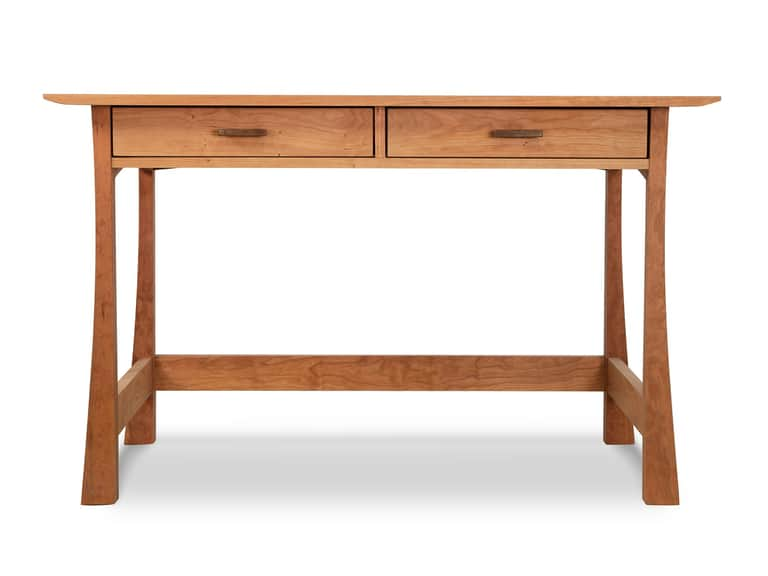
Contemporary Craftsman Writing Desk

Vermont Furniture Designs

Contemporary Craftsman Writing Desk

Handcrafted to order in Vermont from solid, sustainable woods, this desk blends Arts and Crafts charm with a spacious 28" x 48" top and two drawers for seamless storage, finished in eco-friendly oil for a warm, lasting workspace.

Theme